
When it comes to indoor gardening, grow lights have become indispensable for plant development, providing a practical approach to supply the appropriate light spectrum for diverse plants. However, many people question if LED lights might harm your eyes. This is an essential subject for both new and experienced growers. In this post, we’ll look at the impact of grow lights on eye health, the risk of eye injury, and how to keep yourself safe while increasing your green oasis.
Understanding Grow Lights and Their Effects
Grow lights, mainly LED grow lights, mirror the sun’s natural light spectrum and promote plant development in indoor conditions. They may, however, affect the human eye like any other light source does. The visible light emitted by grow lights, mainly when used for extended periods, can cause eye strain, weariness, and, in rare situations, more severe problems.
The Light Spectrum and Its Impact
Grow lights typically produce visible light, which is necessary for plant development. However, they also generate different levels of blue light, which has sparked worries about their impact on human vision. Blue light exposure is a two-edged sword; while it is required for plant development, extended exposure can negatively affect eye health.
What is Blue Light?
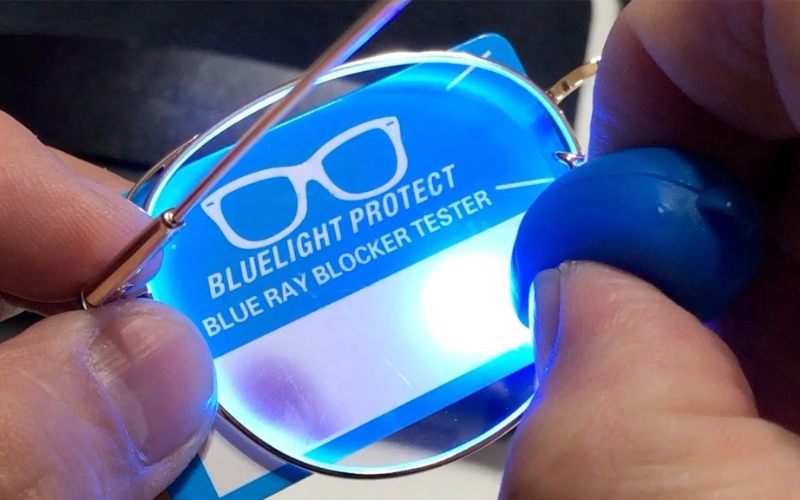
Blue light is a high-energy visible light produced by many grow lights, notably LED grow lights. It is vital for controlling plant development but may also harm human vision. Prolonged exposure to blue light generated by grow lights may cause eye strain, headaches, and disrupted sleep habits. Over time, this exposure has been linked to long-term retinal damage, raising the risk of disorders such as macular degeneration. While blue light is vital for plant development, it can harm your eyes if not used appropriately.
The Role of Ultraviolet Light
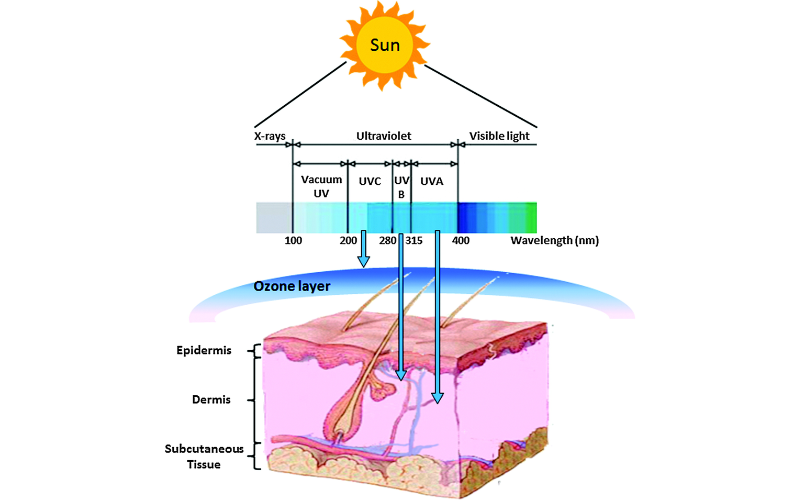
UV light is another component of the light spectrum that may have both beneficial and detrimental effects. Although most grow lights generate visible light, specific versions may also emit modest quantities of UV light to help plants develop. While UV light benefits plants, it can harm human’ eyes. Overexposure to UV radiation can cause cataracts and photokeratitis, a painful inflammation of the cornea. Understanding the UV content of your grow lights and taking appropriate precautions to protect your eyes is critical.
Potential Eye Damage from Grow Lights
While grow lights are great for promoting plant development, they can be hazardous to your eyes over time if not used properly. The intensity and kind of light emitted by LED grow lights can cause numerous types of eye injury, particularly with continuous exposure. The following are some of the most prevalent problems that might result from prolonged exposure to grow lights without adequate protection.
Eye Strain and Fatigue
Extended time spent in a grow room under strong LED lights might result in eye discomfort and weariness. High-intensity light causes the eyes to work harder to focus, resulting in pain, headaches, and dry eyes. Blue light exposure is believed to exacerbate these symptoms.
Increased Risk of Macular Degeneration
According to research, extended exposure to blue light may raise the risk of macular degeneration, the primary cause of visual loss. This disorder damages the retina and can result in severe vision impairment over time.
Photokeratitis
This is a corneal sunburn commonly induced by UV radiation exposure. While it is more frequent in outdoor environments, sure-grow lights with significant UV outputs can exacerbate this unpleasant illness.
Cataracts
Cataracts form when the eye’s lens gets clouded, causing impaired vision. According to studies, UV light exposure increases the incidence of cataracts, and various grow lights may contribute to this risk if not effectively handled.
How to Protect Your Eyes While Using Grow Lights
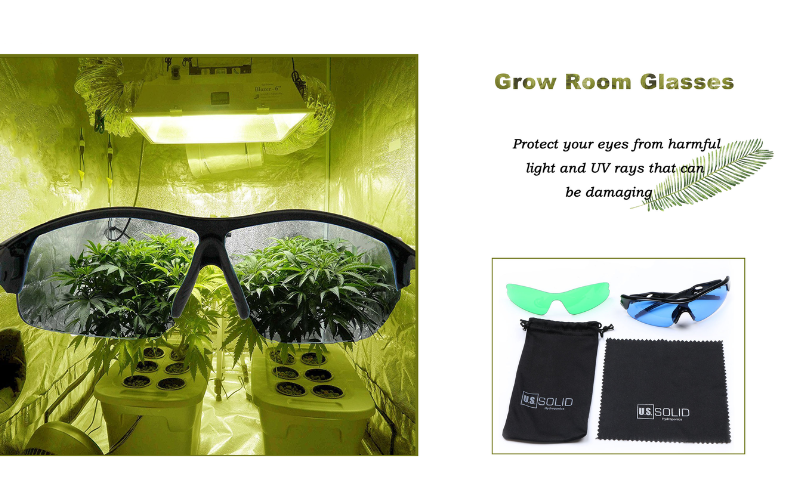
Taking precautions to minimize potential eye injury while using grow lights is vital. Eye protection is essential whether you spend hours in a grow room or only occasionally use grow lights. Taking simple precautions can lower your risk of eye strain, tiredness, and long-term damage.
Use Eye Protection
Consider using specialist eyewear that filters out dangerous wavelengths, including blue light and UV radiation. Many manufacturers sell safety glasses that give appropriate protection while allowing you to view your plants properly.
Limit Exposure
Another excellent technique to safeguard your eyes is minimizing exposure to grow lights. Whenever feasible, take pauses from the grow chamber to rest your eyes from the harsh light source. Taking brief breaks from the grow room may dramatically reduce eye strain and weariness. Consider reducing the lights or choosing lower-intensity settings if you’ll be in the room for an extended period.
Positioning of Grow Lights
The positioning of grow lights might impact your exposure. Positioning lights at angles that reduce direct glare into your eyes can assist. Consider utilizing diffusers to distribute light more evenly and eliminate sharp shadows.
Monitor Light Levels
Not all grow lights are made equally. Some produce more blue light than others. When choosing LED to increase lights, seek those that deliver a balanced light spectrum designed for plant development while limiting potential eye dangers.
Consult an Eye Care Professional
If you deal with grow lights on a regular basis, you should see an eye care specialist about your condition. They can offer tailored advice depending on your eye health and lighting preferences.
Conclusion
Can grow lights harm your eyes? The answer is yes, especially after continuous exposure to specific light spectrums such as blue and UV light. While grow lights are vital for plant development, they can be harmful to human eye health over time. Without adequate eye protection, symptoms such as eye strain and tiredness can develop, as well as more serious problems such as cataracts and macular degeneration.

