

Many people ask what the red light on a headlight is used for.” Unlike the generally used white light, red light provides various objectives that improve functionality and convenience in low-light situations. Understanding the usefulness of red lights in headlamps may enhance your experience and help you protect your night vision, whether camping, trekking, or navigating an emergency.
Understanding Red Light in Headlamps
Red light on headlights is more than stylish; it has practical use, particularly when white light is too harsh or produces light pollution. The red beam is less disruptive to the human eye, making it suitable for outdoor activities or sensitive settings requiring softer illumination.
Advantages of Red Light
Preserve Night Vision
One of the most notable benefits of red light is its ability to maintain night vision. When traveling in low light settings, white light might blind you and impair your ability to see in the dark. Red light helps your eyes adjust to darkness, allowing you to stay aware of your surroundings.
Reduced Light Pollution
Minimizing light pollution in outdoor spaces, particularly delicate ecosystems such as national parks, is critical. Red light emits less light, which might harm wildlife or disrupt the natural night sky.
Sensitive to Red
Some people are more sensitive to white light, particularly in low-light circumstances. In contrast, red light is kinder on the eyes, making it an excellent choice for people who find bright white lights uncomfortable or dazzling. This sensitivity to red light allows for sharper vision while reducing strain, which can be crucial in long-term night activities.
When to Use Red Light on Your Headlamp

Knowing when to utilize your headlamp’s red light is helpful in various scenarios. Red light is useful in emergencies where you want to be seen without garnering too much attention or producing light pollution.
How to Choose the Right Headlamp with Red Light Features
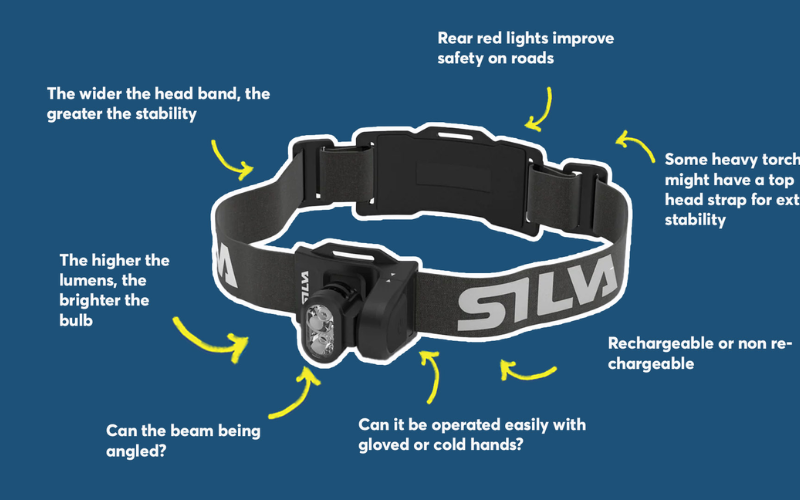
When choosing a headlamp, various variables should be addressed.
Light Modes
Look for headlights with numerous light settings, including red and white light. This adaptability enables you to swap between settings based on your unique requirements.
Brightness Levels
Consider headlights with several brightness settings for both red and white light. This function can improve usability in various settings, from high illumination to modest lighting.
Battery Life
Ensure the headlight has a good battery life, especially for long travels. Red light often uses less power, allowing the headlamp to be used for longer periods.
Comfort and Fit
Choose a headlamp that will be comfortable to use for a long time. An adjustable strap and lightweight construction make a big difference on extended treks and camping vacations.
Durability and Weather Resistance
A long-lasting, weather-resistant headlamp is essential for outdoor use. Look for devices that can survive various climatic conditions, assuring dependability wherever your activities take you.
Maintaining Your Headlamp for Optimal Performance
Proper maintenance of your headlamp may guarantee it remains valid for many years.
Cleaning the Lens
Over time, dirt and dust can develop on the lens of your headlight, reducing its brightness and efficacy. Wipe the lens regularly using a soft cloth and a mild cleaning solution to ensure maximum performance. Avoid using powerful chemicals since they might harm the lens. Keeping the lens clear ensures that both red and white lights operate well.
Battery Replacement
Check the battery levels of your headlamp regularly and replace them if necessary. Some headlights have rechargeable batteries, whereas others use disposables. If you’re using rechargeable batteries, have a dependable charger and always take extra batteries on extended excursions.
Check for Damage
Inspect your headlamp regularly for symptoms of wear and tear, such as cracked casings or frayed straps. A defective headlight can impair performance, particularly in difficult circumstances. Replace any worn-out parts immediately to avoid failure in essential situations.
Common Applications of Red Light in Specific Activities
Camping and Hiking
Using red lights may significantly improve your experience when camping or hiking at night.
Fishing and Hunting
Red light gives fishermen and hunters a significant advantage. It lights your immediate surroundings without alarming fish or wildlife.
Emergency Situations
In an emergency, a red light can save lives. It’s less likely to draw unwanted attention while yet giving you adequate visibility to travel or signal for assistance.
Conclusion
The red light of a headlamp provides some practical and environmental functions, including protecting night vision and decreasing light pollution. Whether camping, hunting, or stargazing, red light is helpful for various lighting settings. When shopping for a headlamp, consider light settings, battery life, and durability to ensure you receive the greatest fit for outdoor trips and emergencies.

